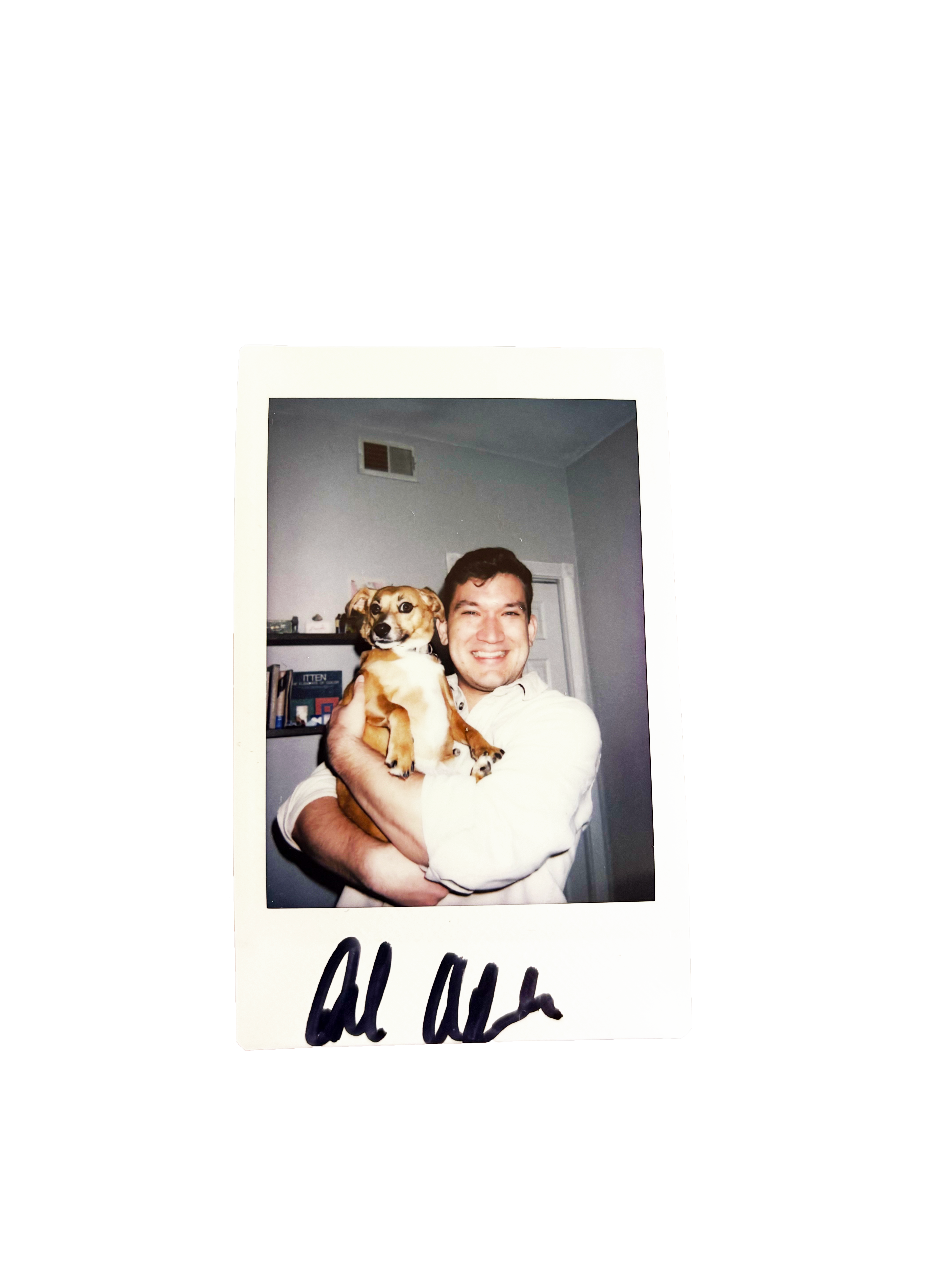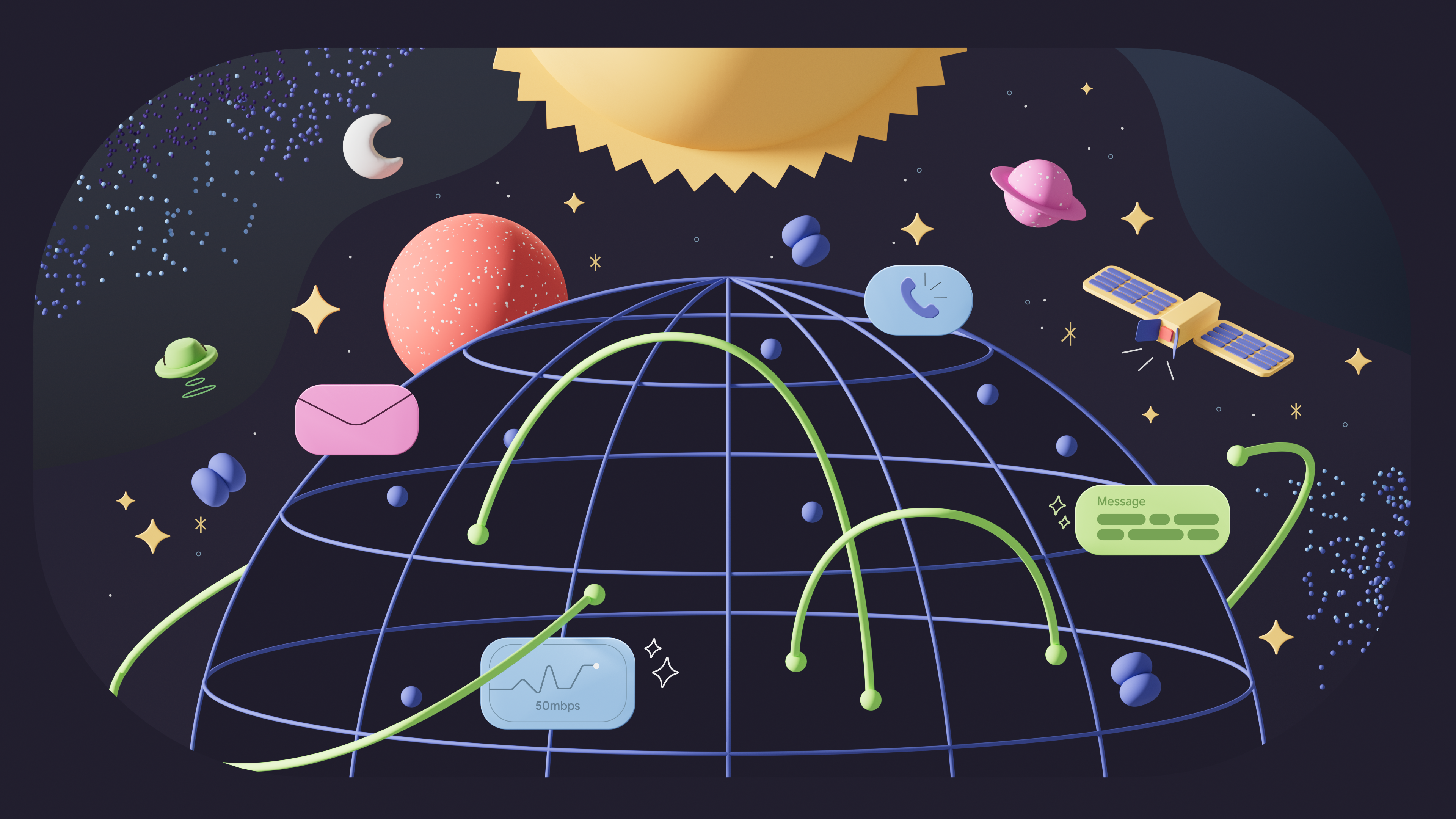
Doug Alberts is a Chicago-based motion designer and founder of Noodle, a studio that partners with brands to create animation, design, and systems that are thoughtful, joyful, and eye-striking. Doug’s talent shows through quick but effective short films and animations. His style is unique, clear, and playful, bringing a sense of warmth and openness to the audience. Each project is illustrated with bright colors, organic forms, and simple narratives. His personality immediately reflects his style of work, bringing kindness and a smile to every conversation. That tone is not accidental. It’s something that has been built over time–through belief, discipline, and practice.
The Small Details That Inspire
For Alberts, creativity was never something he had to search for, but something that was simply always present. With both of his parents being creatives—his father in architecture and mother a graphic designer—he never had to fight for support. With aspirations of going to art school, he was surrounded by people who understood him and how his ideas would take shape in the world.
“I think it’s super handy,” he explains, having both parents as creatives. “I would wish for stuff like AfterEffects for Christmas, and it would show up!” He describes feeling supported early on. He was encouraged not only to make things, but to get others to notice and appreciate them.
Doug describes how he always knew exactly what realm of design he wanted to be a part of.
“Growing up, I watched a lot of Nickelodeon,” he recalls. “I started to notice the little slime graphics bouncing around when it cut back to the show, and I remember thinking, someone has to be making that.”
It wasn’t the shows themselves that fascinated him, but rather the moments in between—the transitions, the small movements, and the details that quietly make everything better. Even as a kid, he was drawn to the parts that most people overlook. Specifically, the pieces that guide, shift, and engage without demanding direct attention.
There’s something special about those in-between moments. Designers understand this instinctively; we know the way small details can carry just as much weight as the main event. For Doug, that curiosity never faded. He never pivoted or strayed away from it, but instead chose to follow that passion, refining it over time. That early awareness built the foundation of his career and continues to define his work today.
Thinking Past a Single Perspective
Doug’s education at Ringling College of Art and Design sharpened his passion and respect for craft—especially the discipline of process. When he speaks about his work, he returns again and again to structure the quiet framework that supports the final outcome. In motion design, he makes clear, the early stages—storyboarding, iteration, building a narrative foundation—are the most crucial, carrying much of the project’s weight.
“You spend a lot of time at the beginning laying the concrete,” he explains.
This phase is built on collaboration, exploration, and constant adjustment. Once a direction begins to solidify, it becomes increasingly difficult to shift, making those early decisions not just creative but deeply structural.
Doug talks about how, when working with larger companies, these early stages can take time, as storyboarding, narrative development, and specific specifications need to move through multiple layers of approval. When working with smaller companies, however, there is often more openness to iteration and suggestion.
“Bringing on other designers and artists is crucial to this phase,” he adds, “as they will bring something unexpected to the table.”
Doug speaks on a project built entirely through collaboration, noting how Axel Kinnear and Marco Cheatham—both talented animators and illustrators—whose contributions introduced a range of ideas, characters, and forms to the studio’s project with Discord. Doug reflects on how he would never have arrived at the same distinctive character forms on his own. Collaboration is what turns a project into something larger than any one perspective.
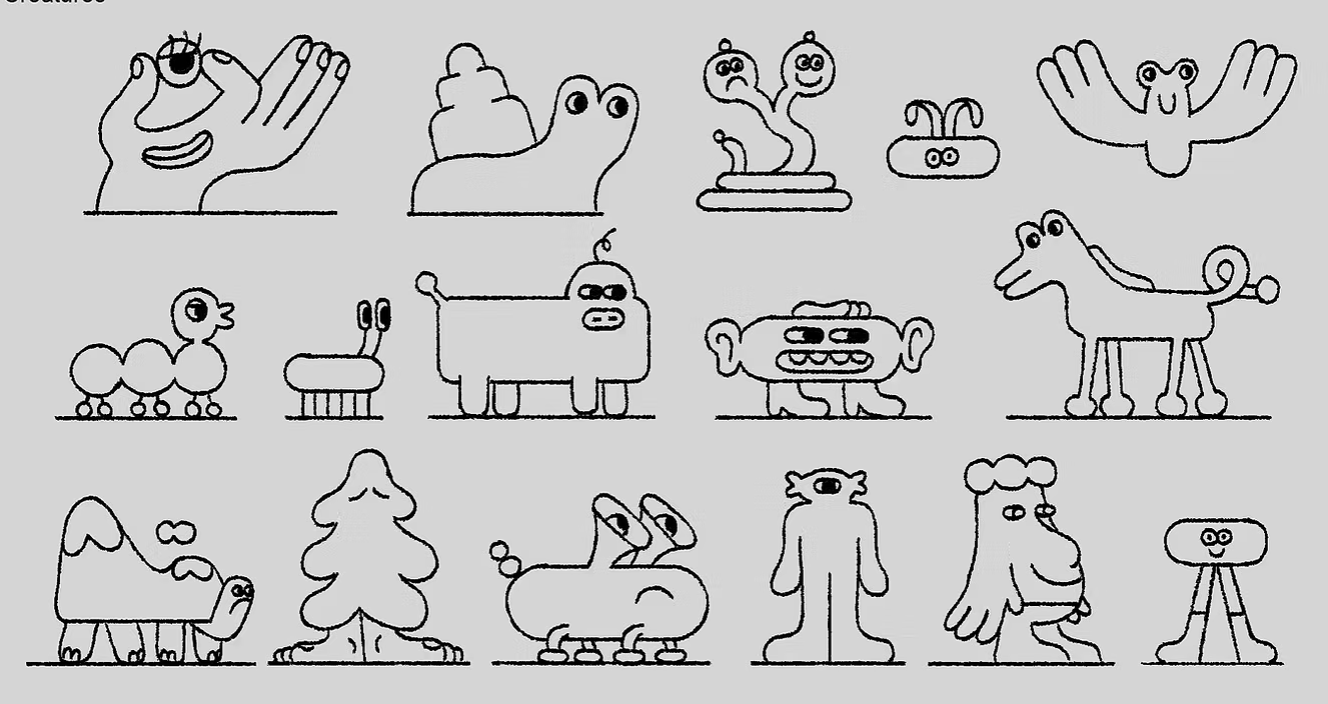
From there, the work moves through design systems and style frames before entering animation, with each phase building on the last, until the final polishing brings everything into focus.
That same philosophy extends into his studio practice. For Doug, being a creative director is not about control, but about opening space and allowing other artists to push the work into directions he might not have imagined alone. He invites both himself and other artists to explore directions that excite the audience. In doing so, the work becomes something larger than a single perspective, expanding audience engagement.
The Illusion of “Making It”
Despite working with major companies and seeing his designs exist out in the world, Doug resists the idea that there is a single moment when you can say you have truly “made it.”
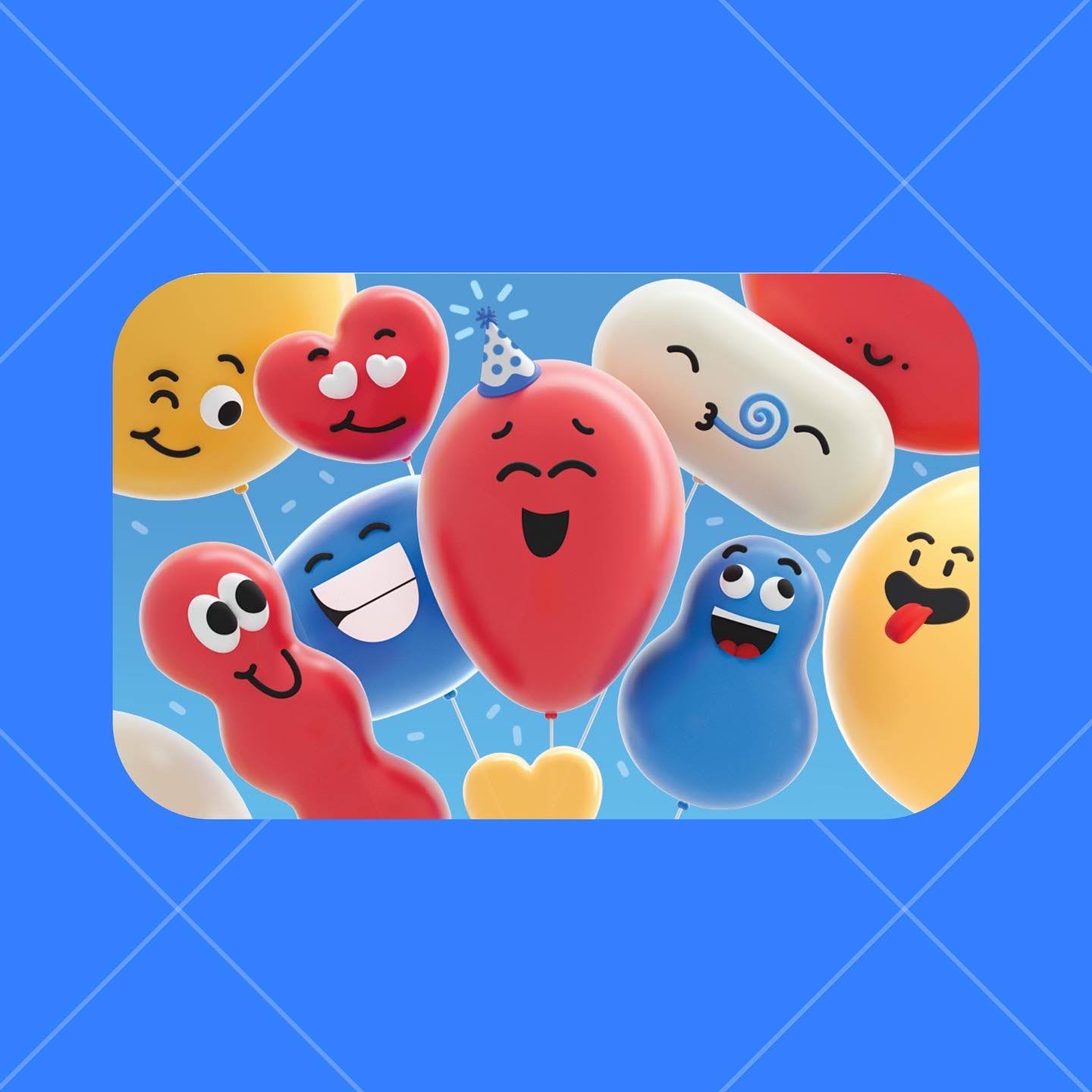
Through his company, Noodle, he has worked with a range of notable companies, including Netflix, Hulu, Discord, Duolingo, and Google. But he describes success not as a defining milestone, but as a series of smaller, fragmented moments. These moments can include receiving an email with a new design brief, watching an idea move from concept to execution, or unexpectedly encountering his work out in the world.
“It’s funny because it’s exciting to be in Target and see the gift card with my design,” he says, “but the cashier would never know or care.”
And yet, that’s precisely the point. Design, in many ways, operates as an invisible realm. It exists everywhere, constantly surrounding us, but rarely points back to the person who made it. Because of that, the idea of “making it” becomes less about recognition and more about continuation with the ability to keep working, refining, and finding meaning in the art itself. That, for Doug, is what makes his work meaningful.
Faith, Rest, and Questioning meaning
I mentioned to Doug that I find his project, The DMV Song, a defining piece in his work—one that truly captures his style at its core. He takes a topic that is extremely dreadful, frustrating, and typically mundane and transforms it into something humorous, playful, and unexpectedly joyful.
“In a world that is often unstable and overwhelming, how do you continue to carry such a strong sense of joy and softness to your work?” I ask.
He doesn’t hesitate with the question.
“It’s a lot easier to make viewers feel a sense of joy than it is to make them feel sad,” he says. Doug is a practicing Christian, and he credits his faith as a grounding force in his work. “My work portrays a sense of God,” he explains. “He is humorous, and he creates. That plays into the sense of warmth.”
One of the most defining aspects of Doug’s perspective, is how he sustains that sense of joy and playfulness in his practice, especially in a field that often pushes creatives towards burnout and self-doubt. For him, that grounding comes through his faith. Not as a rigid framework, but as a steady source of reassurance. A way to navigate the constant question many creatives carry: Am I enough?
In his practice, that question is met with a quieter answer, an answer that is consistent, honest, and clear, and that is God for Doug. He also describes a weekly ritual of observing Sabbath with his wife. Lighting a candle on Friday, writing down worries and concerns, placing them in a box, and then stepping away. On Saturday, Doug follows a strict rule of no work, no emails, no projects, just rest.
It’s a simple practice, but in an industry defined by constant output, it becomes fundamental. It’s a reminder that creative work cannot exist without rest. For him, rest is not a reward, but a requirement.
Holding onto the Light
Finally, when asking what advice he would give to other creatives, Doug doesn’t overcomplicate it.
“Just keep making cool stuff, keep doing what you love, and don’t lose that passion that got you into the creative field,” he says. Whether within or outside of a creative profession. He emphasizes the importance of staying connected to what drives you to be your most authentic self, “just keep your passions alive.”
In the end, Doug Alberts’ work is not just defined by its aesthetic qualities, but by the philosophy that supports it. His approach to design reflects a balance between discipline, structure, and collaboration.
That balance doesn’t just live in his work—it carries into his everyday life. Whether he’s spending time with his dog Mia, going for a run, playing his guitar, or stepping away from the screen entirely, those moments of stillness and care become just as important as the work itself. They create the space needed for inspiration, curiosity, and intention.
As the creative landscape continues to expand and change, his perspective offers something steady, welcoming, and simply happy. His work reminds the world that joy is not accidental; it’s something we can choose, protect, and build into the small moments of life.