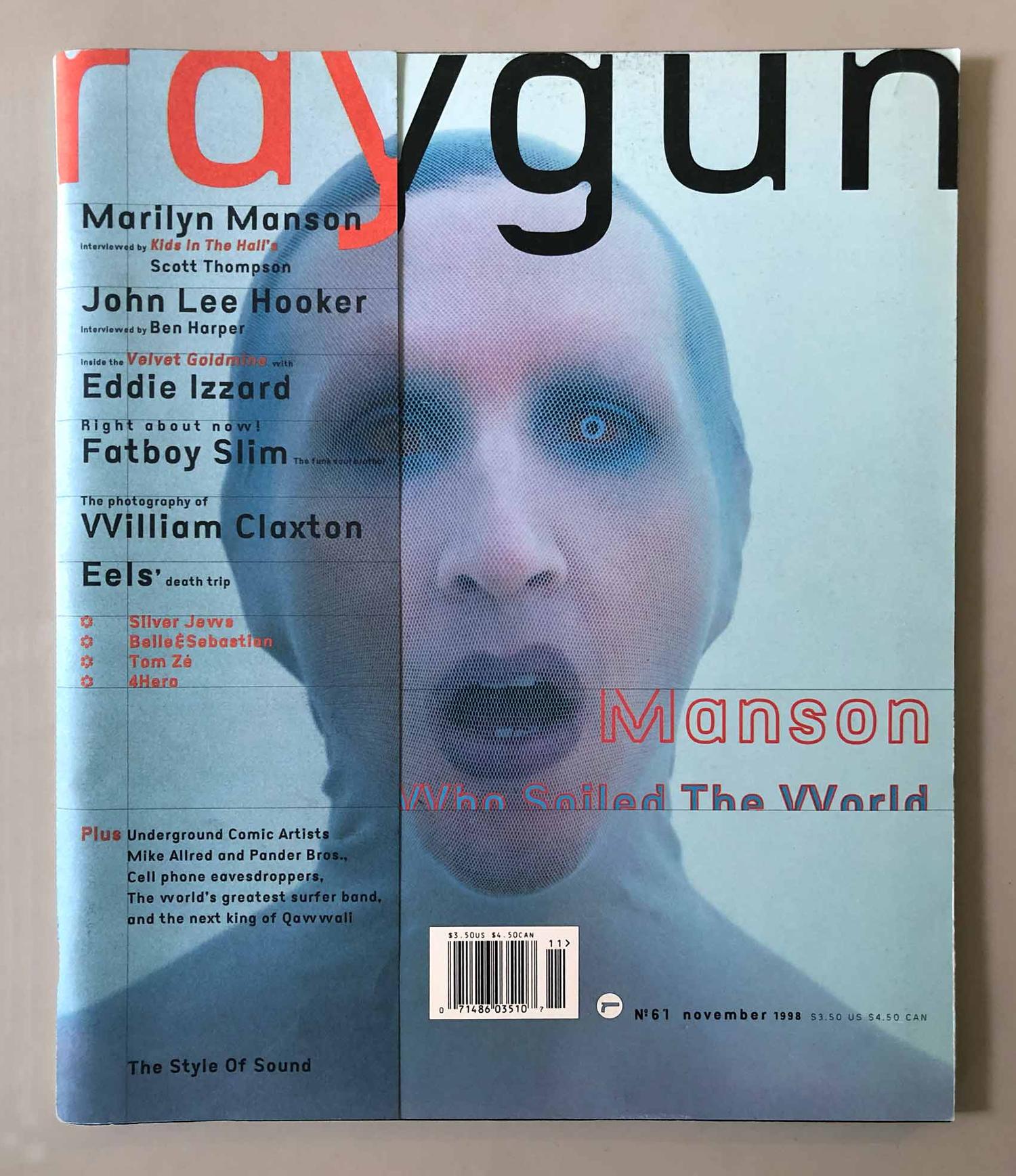
Barry Deck is a well-known type designer, logo and brand designer, and former creative director of notable publications, including Ray Gun magazine in the 1990s. As a central figure in experimental typography, Deck became widely recognized for his expressive digital typefaces through Emigre, including the famous Template Gothic, a typeface that challenged conventional ideas in graphic design. His work is a huge success that helped define the visual language of the 1990s alternative culture.
Throughout his career, Deck has continually pushed the boundaries of digital type design—from experimenting with emerging technologies in the early days of digital typography to shaping the visual identity of a generation that embraced experimentation and nonconformity. However, his success is most clearly reflected not only in his work but through his optimistic attitude toward design. Rather than pursuing recognition or adhering to societal expectations, Deck focuses on the refinement of his craft and the integrity of the work itself.
On AI and the Dooming Future of Design
Before my questions had even begun, Barry and I found ourselves sharing concerns about the rapid development and growth of AI — both in the creative field and in society as a whole.
Like many creatives, Barry and I have mixed feelings about the new changes in our field. We can see and understand the benefits of the tools that AI can bring to the table outside of design, such as writing, organization, research, and much more. But right now, there’s too much hype around this new technology. Designers are being pushed to adapt quickly, often without the space to fully explore or question them. Barry makes the point that designers haven’t even had the chance of getting bored with it yet.
That sense of uncertainty naturally leads to bigger questions about the long-term impact of AI on creativity and the design industry.
We spoke openly about our issues, concerns, and predictions. One widely discussed fear is that AI will increasingly take over our jobs. But the bigger, more important concern—the one all designers and society should truly fear—is the loss of human touch in art. Art is powerful because it’s rooted in human experience; it reflects our struggles, our achievements, our deeper emotions that define what it means to live. So, what will art become if it is no longer shaped by human experiences? For that reason, it’s essential that designers and creatives continue to create, because that’s where real creative ability and human expression exist.
With such a rapid increase in these new AI developments, Barry explains, “We are living in a civilization right now that ought to be creating guardrails, and a plan.” He pauses. “Because last time I checked, we as humans are the reason we get out of bed in the morning. We do not do anything for a machine.” Barry describes that we’ve built a system that is designing designers out of design, and it’s all going to AI. We are at the point now where we cannot escape something we never chose.
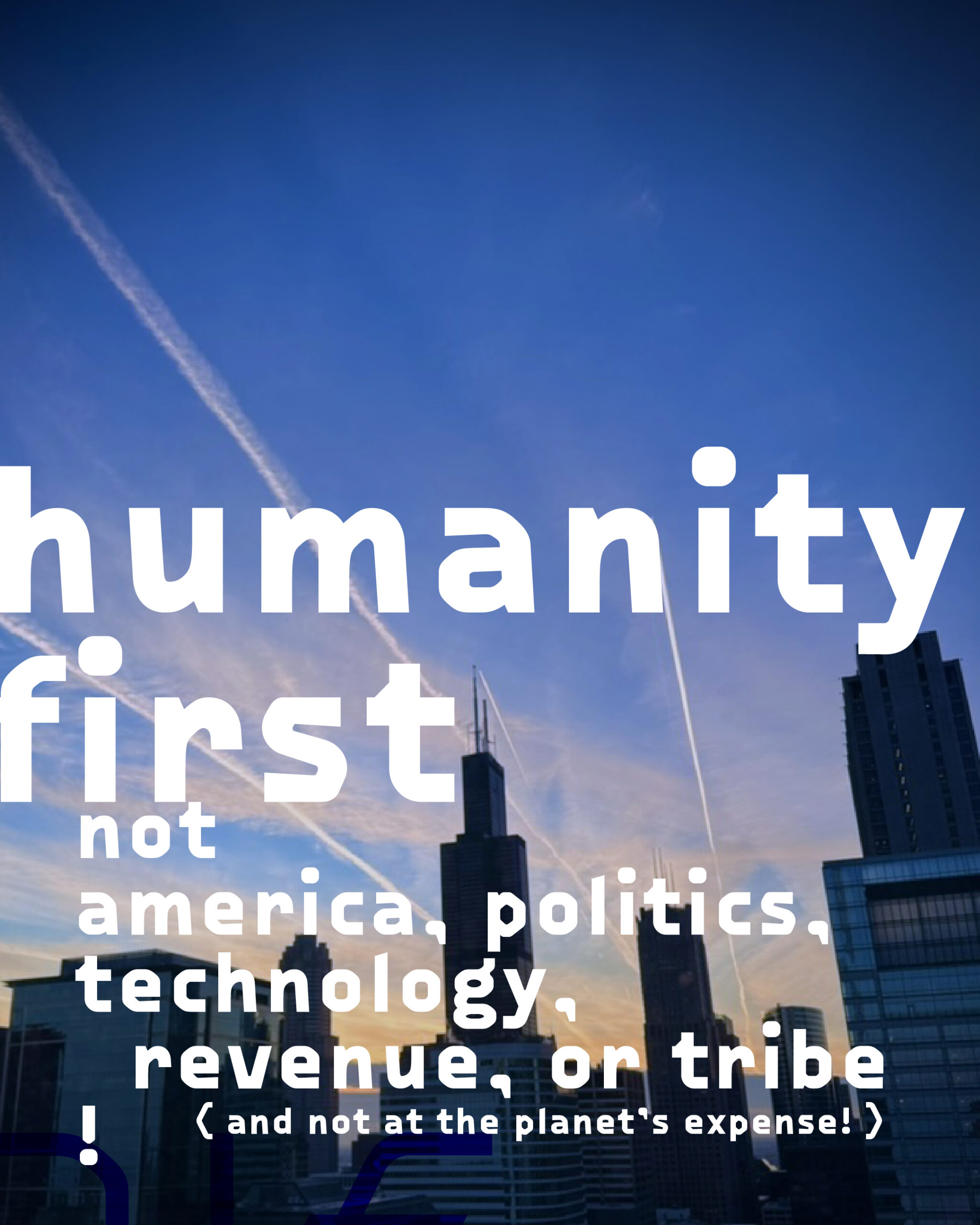
Yet, in a more optimistic perspective, Barry asks if AI does take over, “Do we discover the real humanness and discover what we are good for and gravitate towards those things? To come to love ourselves more and have a clearer idea of what humanity is?” He hopes that, in response, there will be a humanity-first movement as the world continues to gear more and more towards technology. I’ll stay hopeful for now, but we may be doomed to find out.
Amidst these uncertainties, we discuss how we as a society can give credit to true human art rather than following the capitalist systems that push us towards AI solutions. Barry’s advice to designers is simple: never lose that artistic passion, keep going, keep creating, and continue to have important conversations like these. AI may seem scary and impossible to ignore, but as designers, we must stay aware, challenge the norm, and prove that human creativity will always outshine the machine.
What Makes a Great Designer?
As a young designer and student, I see Barry as a true inspiration, given the success he has achieved throughout his career. Before asking my next question, I admit, “This may be an amateur question, but I want to know: What makes a great designer?” He pauses before answering; it’s not a question with one clear answer.
Barry responds, “You can talk about a great designer in terms of craft, or entertainment and taste, positive effect on humanity at large, someone who generates the biggest profit, or someone who wins the most awards.”
But those qualifications don’t interest Barry as much.
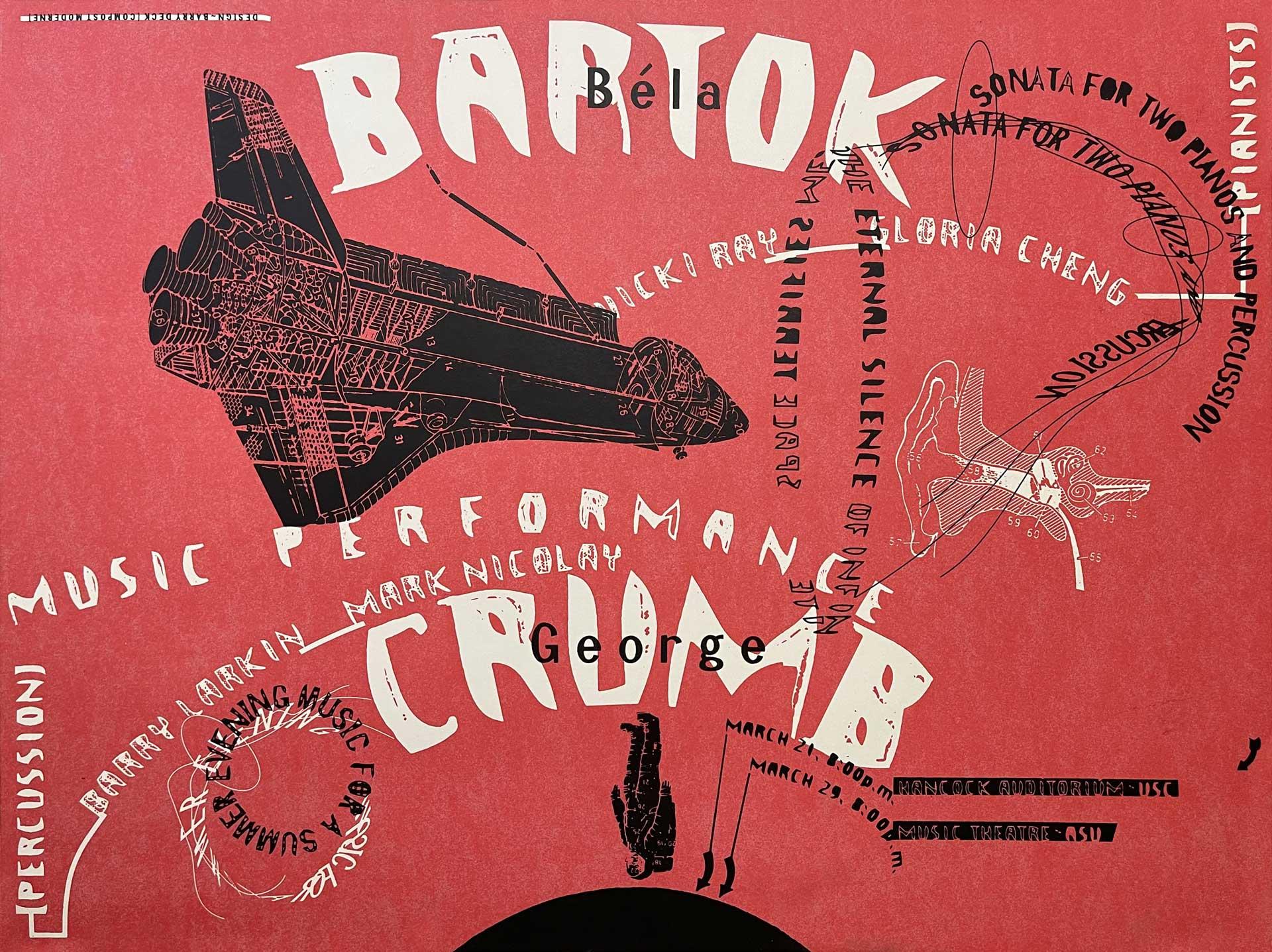
“To me, a great designer is someone who makes something that is interesting to decode — something that is endlessly interesting to look at. I appreciate a design that you can look at from a distance and still find surprises left and right. Something that is great, is something that will never bore.”
I love this answer because I find his explanation mirrors his own craft. Many of Barry’s projects are deeply structured, stylized, and chaotic all at once — layered in a way that keeps the eye moving, and there is truly never a bore. That same balance between structure and spontaneity is reflected in how he approaches his own process.
Finding his voice as a designer, however, was not the result of some strategic plan. For Barry, it’s much simpler. When I ask how he found his own style, he explains, he’s just trying to entertain himself — to find the elements he knows are already there and push them further.
He admits that he could “logic it to death,” and give me all the specific parameters and systems behind his work. But really, his best work is created when he’s tuned into a flow state and works until it feels good. “It’s nothing tangible,” he explains, you just have to follow what you believe is right. The chaos works because it’s not careless — it’s intuitive. It’s built from attention, repetition, and trust in one’s own eye.
Advice to Younger Designers
One of the questions Barry told me he was most eager to answer was:
What do you want to tell younger designers?
He begins with, “It’s about talent,” he says. “Some people have a lot of it, and some people have to work super hard.” Barry is the type of creative who always knew design was for him — almost as if design found him rather than him having to seek it out.
Talent gives people a head start, and Barry admits he’s been lucky in that regard. But talent alone will never get you by in this industry, he explains.
“If you expect your talent to carry you your whole life, you’ll eventually notice that the hardworking designers—the ones with ambition, discipline, and good mentors — will pass you.”
Talent should be used, he emphasizes, but it should also be supported by everything else. Discipline. Curiosity. Work Ethic. And beyond talent, there is something even more important, and that is character.
Barry’s message to younger designers is short and sweet: talent might give you a head start, but it’s your work ethic and character that determine how far you go.
In the end, impact can’t be neatly measured. When I come to my final question on how Barry hopes to shape the world through his work, he doesn’t speak about legacy in major terms. Instead, he stresses the importance of amusement and closeness.
“I hope that my work finds readers and viewers who can be amused,” he says. “I want them to smile, chuckle, and look closer. I want them to think about how things could be with a little more effort and a little more love.”
He pauses on this idea of effort and love.
We need to put love into everything we make. And if there is an impact Barry hopes to leave behind, it’s a vision of how the world could feel with a little more love in it.
In the end, my conversation with Barry Deck revealed that his influence extends far beyond the typefaces and designs he is known for. His approach to design is rooted not in fame or recognition, but in curiosity, community, and a deep commitment to craft. As he puts it, “It’s not about the money, it’s not about notoriety. It’s about the people around you and cultivating a way of doing everything that feels good and authentic.”
Whether discussing the uncertain future of AI, the qualities that make a great designer, or the advice he offers to younger creatives, Barry continually returned to the same idea: design should remain deeply human. His work, much like his philosophy, encourages designers to stay curious, trust their instincts, and create with care, reminding us that the most meaningful design comes from passion, attention, and a genuine love for the process.
Barry’s Contributions Today
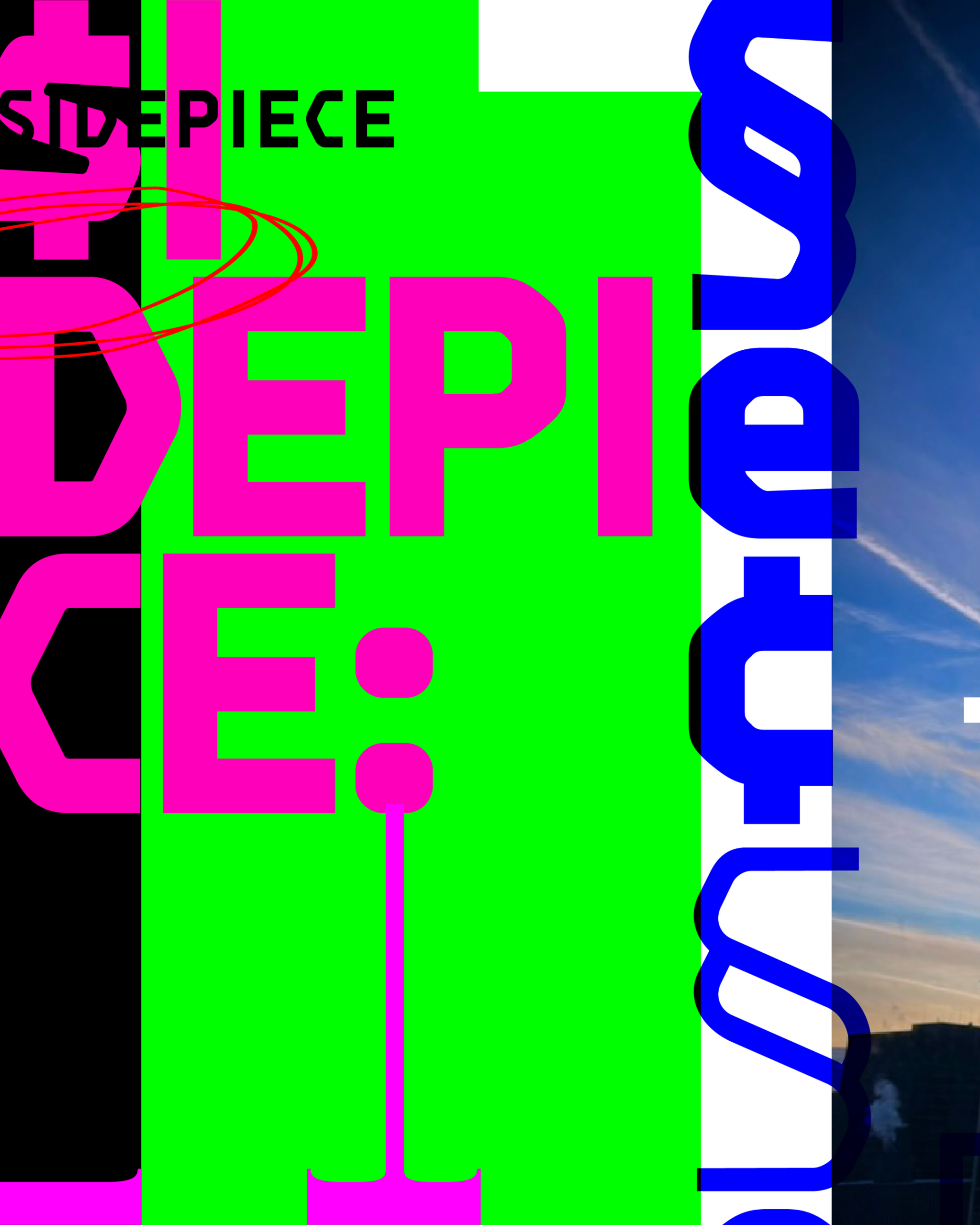
Today, Barry has made numerous contributions to our club. He played a key role in developing and executing our exhibition space for our recent feature at the Design Museum of Chicago, where he created cards of gratitude designed to encourage individuals to express appreciation by writing personal messages of gratitude. Additionally, Barry will serve as a huge contributor to the club’s upcoming Faculty publication, set to be released in May. Alongside other designers in the club, he has also produced Sidepiece, the house typeface for Faculty.